
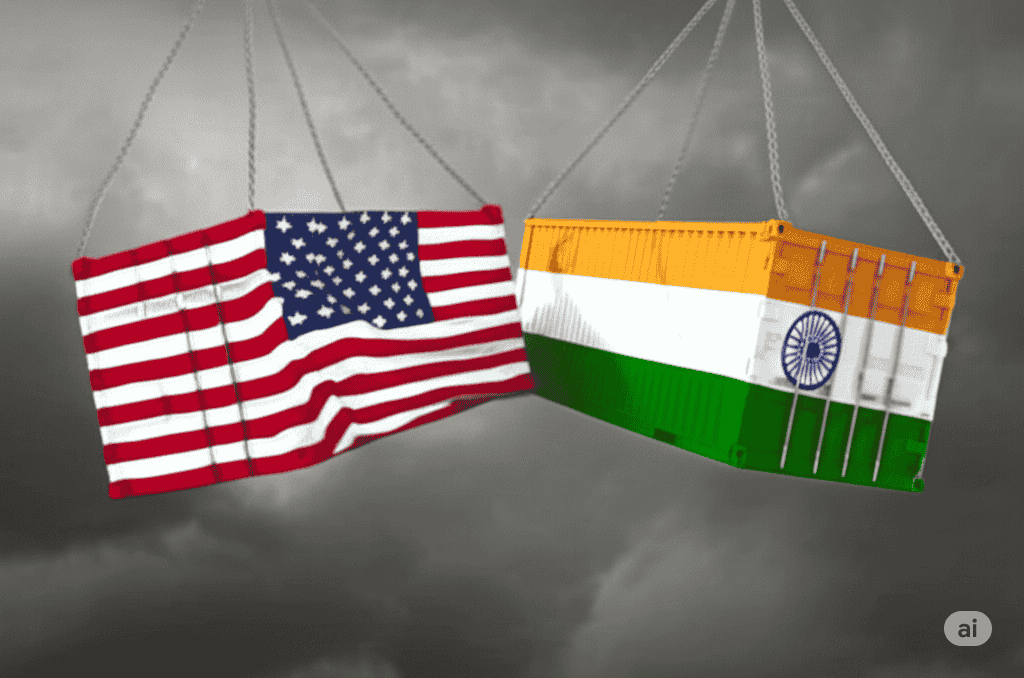
The United States putting tariffs on Indian goods has sent waves across India’s economy. These steps aim to fix trade gaps and help American businesses. But they also make India look at how well its exports compete and how it handles trade. This article looks at the Indian sectors hit hardest by these US tariffs. We will see the money troubles they face and how they are trying to change. Knowing these effects helps leaders, businesses, and investors handle the changing world of trade.
When tariffs hit, the sectors that sell a lot to the US feel it first. Higher costs for American shoppers and businesses mean fewer sales for Indian products. This can lead to less output, lower earnings, and worries about jobs for people in those industries. Also, if countries strike back or global supply chains change, these problems can get even bigger. This creates many money troubles beyond just higher prices.
This look aims to give you a clear view of which Indian sectors are taking the biggest hit from US trade rules. By breaking down how the tariffs work and showing real-life results, we can better grasp these trade fights. We can also see what they mean for India’s money path forward.
Steel and Aluminum Sectors: The Frontline of Trade Disputes
US tariffs on steel and aluminum directly made these raw materials pricier for Indian exporters. This had a big effect on how much steel and aluminum India made and sent overseas. It truly put these key industries at the sharp end of trade disagreements.
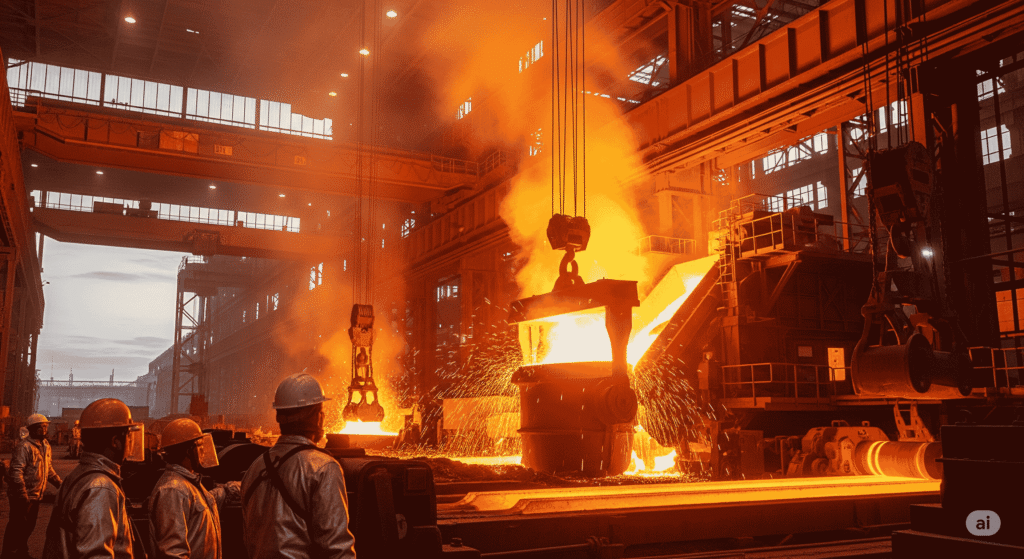
Increased Input Costs for Indian Manufacturers
When the US puts tariffs on steel and aluminum, it makes these materials more expensive. This is true whether India buys them from the US or uses them in its own goods. Indian manufacturers then pay more to get these basic parts. Think about car makers or machine builders. Their costs go up before they even start making anything. This higher cost of parts makes it harder for them to keep prices low.
Reduced Export Competitiveness in Downstream Products
With higher raw material costs, Indian-made goods become less appealing. Why would a US buyer pay more for an Indian auto part or a piece of machinery? They can often find the same thing from another country without the extra tariff cost. This means Indian products like engine parts, pumps, or industrial tools lose their edge in the American market. Other nations, not facing these tariffs, can offer better prices, making it tough for Indian sellers.
Agricultural Products: Navigating Market Access Challenges
US tariffs also hit certain Indian farm exports, especially those that used to sell a lot to America. This creates fresh problems for Indian farmers and businesses that handle food. It’s like building a big market stall, then finding out customers can’t easily reach it.
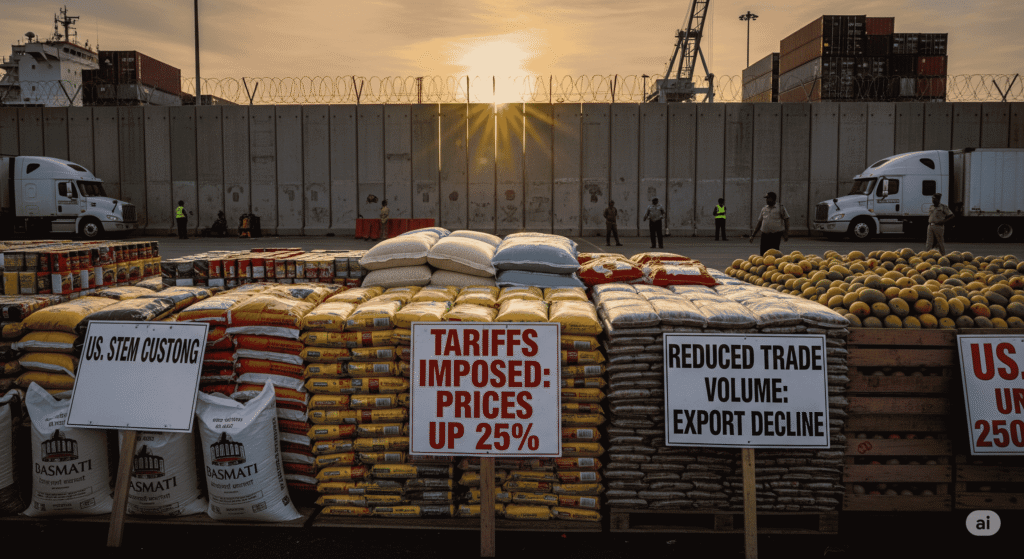
Impact on Key Indian Agricultural Exports to the US
Some Indian farm goods have felt the squeeze. Seafood, like shrimp, often faces tariffs, making it pricier for US buyers. Certain fresh fruits or even processed foods from India can also get caught in the tariff net. Before tariffs, these goods moved easily. After, their sales volume and total worth can drop. Reports show shifts in how much of these goods the US buys from India. This directly affects how much money farmers can make.
Challenges for Indian Farmers and Agri-businesses
When less of their goods sell overseas, it creates a ripple effect. Farmers might get lower prices for their crops and catches. This cuts into their earnings, making it harder for them to support their families. Agri-businesses that prepare and ship these products also suffer. With fewer orders, some might struggle to stay open. It’s a tough situation for many people who work hard to feed the world.
Textiles and Apparel: Facing Price Sensitivity in the US Market
India’s large textile and apparel export industry is also hit by US tariffs. This sector sells clothes and home fabrics. The US market is very sensitive to price, meaning small cost changes can make a big difference.
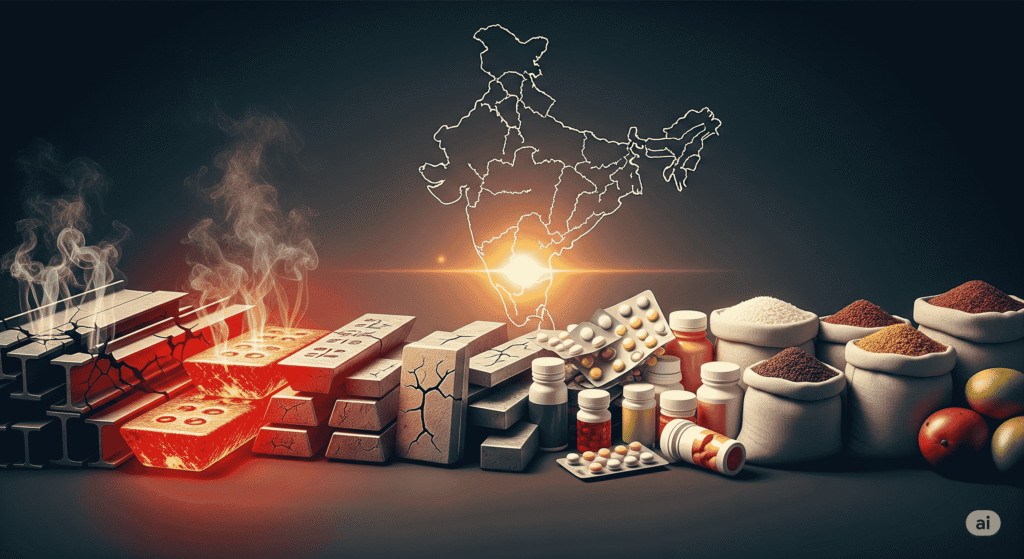
Lower Demand for Indian Apparel and Home Textiles
Tariffs make Indian clothes and home goods, like bedsheets or towels, cost more for American shoppers. When prices go up, people often look for cheaper options. This can cause fewer sales of Indian textiles and garments in the US. India’s share of the market might shrink. Analyses show buyers sometimes shift to goods from other countries, searching for better deals. This puts pressure on Indian textile makers.
Competition from Other Exporting Nations
Other countries often have trade deals with the US that give them an edge. Or, they might simply have lower costs to make things. With US tariffs adding to India’s prices, these other nations can sell their goods for less in the US market. This means Indian textile exporters find it harder to compete. They might lose business to places like Vietnam or Bangladesh, which can offer similar products without the extra tariff cost.
Pharmaceuticals: Balancing Access and Trade Policy
The US tariffs also create a complex situation for India’s drug industry. This affects both the finished medicines India sells and the raw materials it uses to make them. It’s a delicate balance, trying to keep drugs affordable while dealing with trade rules.

Impact on Finished Pharmaceutical Exports
Tariffs on Indian-made medicines can make them more expensive in the US. This might affect how well Indian drugs can compete with those from other places. India is a major source of generic drugs, which save lives by being affordable. If their cost rises due to tariffs, it could limit access for some US patients. Reports suggest some types of generic drugs or over-the-counter medicines might feel a heavier impact than others.
Raw Material and API Sourcing Challenges
Making medicines needs specific raw materials, known as Active Pharmaceutical Ingredients (APIs). India sources many of these from different parts of the world. US trade policies can sometimes mess with these supply lines. If tariffs apply to certain raw materials, or if they make it harder to get them, Indian drug makers face higher costs. This could also lead to delays in getting important ingredients. Both things make making drugs harder and more costly.
Engineering Goods and Machinery: Impact on Production

India’s engineering sector sends out a huge variety of items, from small parts to big machines. This makes it a vital part of the economy. When US tariffs hit this sector, the problems can spread far and wide.
Increased Costs for US Buyers of Indian Machinery
When the US puts tariffs on Indian engineering goods, it makes them more expensive for American companies to buy. Imagine a US factory wanting a new machine. If the Indian version costs more due to tariffs, they might look elsewhere. This can mean fewer orders for Indian manufacturers. Less business from a big market like the US can really hurt their order books.
Impact on India’s Manufacturing Sector Growth
This slowdown in export chances can have bigger effects on all of India’s manufacturing. When orders drop, factories might make less stuff. This can slow down money put into new buildings or equipment. It can also mean fewer new jobs are created. When a major market like the US buys less, it slows down the whole engine of India’s manufacturing growth. This makes it tougher for India to expand its industrial muscle.
Conclusion: Adapting to a Shifting Global Trade Landscape
US tariffs have certainly brought big challenges for many key parts of India’s economy. From steel to farming, and from clothes to medicines, higher trade costs have made India less competitive. They have also lowered sales and created uncertainty for Indian exporters. How well these sectors can change will be key. This means finding new countries to sell to, making things cheaper at home, and changing government rules.
Real numbers and trade reports show a clear impact on how much goods are sold and for what price. As India keeps an eye on the changing world trade scene, smart steps will be very important. This includes looking for new markets, boosting local buying, and talking with other countries about trade. India’s economy will stay strong in the long run if it can find new ways to do things and adjust to these outside pressures. This will help it keep growing and stay steady even when global trade changes.